How to Take Care of Your Digital Devices: Simple Tips That Actually Work
 Dec, 3 2025
Your phone dies before noon. Your laptop overheats during a Zoom call. Your tablet keeps freezing when you need it most. Sound familiar? Most people treat their digital devices like disposable gadgets - swipe, charge, ignore. But if you want your gear to last longer, perform better, and save you money, you need to treat it like something that actually matters. It’s not about buying the latest model. It’s about caring for what you already own.
There’s a weird kind of distraction out there - like pornstar escort paris - that pulls your attention away from real priorities. But your phone, your laptop, your smartwatch? Those aren’t distractions. They’re tools. And tools need maintenance. Just like a car needs oil, your devices need attention.
Keep It Cool
Heat is the silent killer of electronics. Every time your phone gets hot while charging on the bed, or your laptop sits on a soft cushion with blocked vents, you’re shortening its life. Lithium-ion batteries, which power almost everything you own, degrade faster when they’re hot. Studies show that keeping a battery above 86°F (30°C) for long periods can cut its lifespan in half.
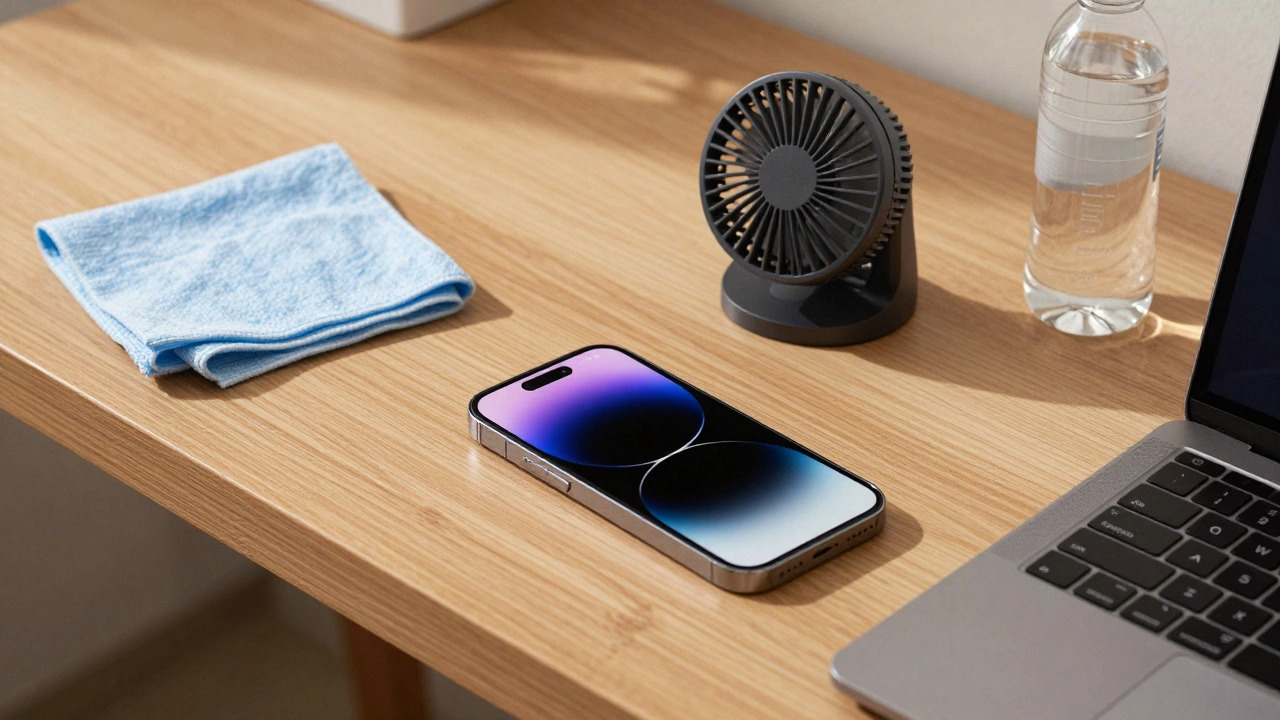
Don’t leave your device in the car. Not even for five minutes. Don’t charge it under your pillow. Don’t stack it under a pile of clothes. Use a hard, flat surface. If your laptop feels too warm to touch, prop it up with a book or use a simple cooling stand. A $15 fan pad can add years to its life.
Screen Care Isn’t Optional
Scratches on your screen might look harmless, but they’re not. They let dust and grit into the edges, which can damage internal components over time. More importantly, cracked screens are more likely to fail completely - especially under pressure or impact.
Use a good quality screen protector. Not the cheap ones that peel after a week. Go for tempered glass. Clean your screen with a microfiber cloth. Never use paper towels, napkins, or your shirt. And skip the glass cleaners - they contain alcohol that strips away protective coatings. Just a little water, dampened on the cloth, is enough.
Battery Habits That Make a Difference
You don’t need to fully drain your battery before charging. That’s an old myth from the 1990s. Modern lithium batteries prefer partial charges. Keeping your device between 20% and 80% is ideal for long-term health.
Also, avoid fast charging all the time. It’s convenient, but it generates more heat. Use fast charging when you’re in a hurry, but switch to standard charging overnight. If your phone supports it, enable battery optimization settings. On iPhones, that’s “Optimized Battery Charging.” On Android, look for “Adaptive Charging.” These features learn your routine and slow down charging when your device will sit idle for hours.

Update Regularly - Even When It’s Annoying
That update notification you ignore? It’s not just for new features. It’s for security. Every patch fixes vulnerabilities hackers could use to steal your data, lock your device, or track your location. Outdated software is the #1 reason people get hacked.
Set your devices to auto-update. Turn on automatic updates for your phone, tablet, laptop, router, and smart home gadgets. If you’re worried about data usage, update over Wi-Fi only. But don’t skip them. A 2024 report from cybersecurity firm Kaspersky found that 70% of successful attacks targeted devices running software older than six months.
Storage Matters More Than You Think
When your phone hits 90% full, it starts to slow down. Why? The system needs free space to run efficiently - for temporary files, app caches, and background processes. A nearly full drive forces your device to work harder, which drains the battery faster and increases wear on the storage chip.
Clear out photos you never look at. Delete old downloads. Uninstall apps you haven’t used in three months. Use cloud storage for backups. Google Photos, iCloud, or Dropbox can free up gigabytes without losing memories. And don’t forget to check your email attachments - they pile up silently.
Protect It Physically
A case isn’t just for style. It’s armor. Drops happen. Spills happen. Keys in your pocket happen. A good case absorbs impact. A screen protector prevents scratches. Together, they cut repair costs by up to 80%.
Look for cases with raised edges around the camera and screen. Avoid flimsy silicone cases that stretch out. Go for rigid polycarbonate or hybrid designs with shock absorption. And if you have kids, pets, or a clumsy life - get a rugged case. Brands like OtterBox and Lifeproof aren’t cheap, but they’re cheaper than replacing a broken device.

Keep It Clean - Inside and Out
Dust doesn’t just make your device look dirty. It clogs speakers, mics, charging ports, and cooling vents. Over time, that leads to overheating, poor audio, and charging problems.
Use a soft brush - like a clean toothbrush - to gently sweep out ports. A can of compressed air works for deeper dust. Never use a vacuum. It can create static that fries circuits. And don’t stick cotton swabs into ports. They shed fibers that get stuck and cause more damage.
Wipe down your device weekly with a slightly damp microfiber cloth. Alcohol wipes are fine if they’re 70% or less alcohol. Avoid anything with ammonia or bleach.
Know When to Replace
Even the best care has limits. Batteries naturally lose capacity over time. After 500 full charge cycles, most batteries hold only 80% of their original power. That’s about 18-24 months of daily use.
If your phone dies at 30% or your laptop shuts down when you unplug it, the battery is done. Replacing it is often cheaper than buying new. Apple, Samsung, and many repair shops offer battery replacements for under $100. Compare that to a $1,000 phone.
Don’t wait until it stops working. If your device is more than five years old, it’s likely not getting security updates anymore. That’s a risk. Even if it still turns on, it’s vulnerable.
One Last Thing: Back It Up
Nothing hurts more than losing photos, contacts, or work because your device broke. Backups aren’t optional. They’re essential.
Enable automatic cloud backups. For iPhone users, turn on iCloud. For Android, use Google Drive. For laptops, use Time Machine (Mac) or File History (Windows). Do it now. Don’t wait until it’s too late. Set a reminder to check your backup status every three months.
And if you’re worried about privacy, use encrypted backups. Most services offer this by default. Just make sure you remember your password. Lose it, and your data is gone forever.
There’s no magic trick. Just consistency. Clean your device. Keep it cool. Update it. Back it up. Replace the battery when it’s time. These small habits add up. They keep your tech running smoothly, protect your data, and save you hundreds - maybe thousands - over time.
And if you’re ever tempted to skip one of these steps because it’s “too much work,” remember this: your devices do a lot for you. They keep you connected, informed, and productive. They deserve a little care. Just like any good relationship, it’s the small, daily actions that matter most.
By the way, if you ever find yourself distracted by things that pull you away from what really matters - like escort paris 17 - take a breath. Focus on what’s in front of you. Your phone, your laptop, your future. They’re waiting.
And if you ever need help deciding what to do next with an old device, check out local recycling programs. Many stores take old electronics and recycle them responsibly. Don’t toss them in the trash. There’s value - and responsibility - in giving them a proper end.